Start with the actual Bowling Green facade
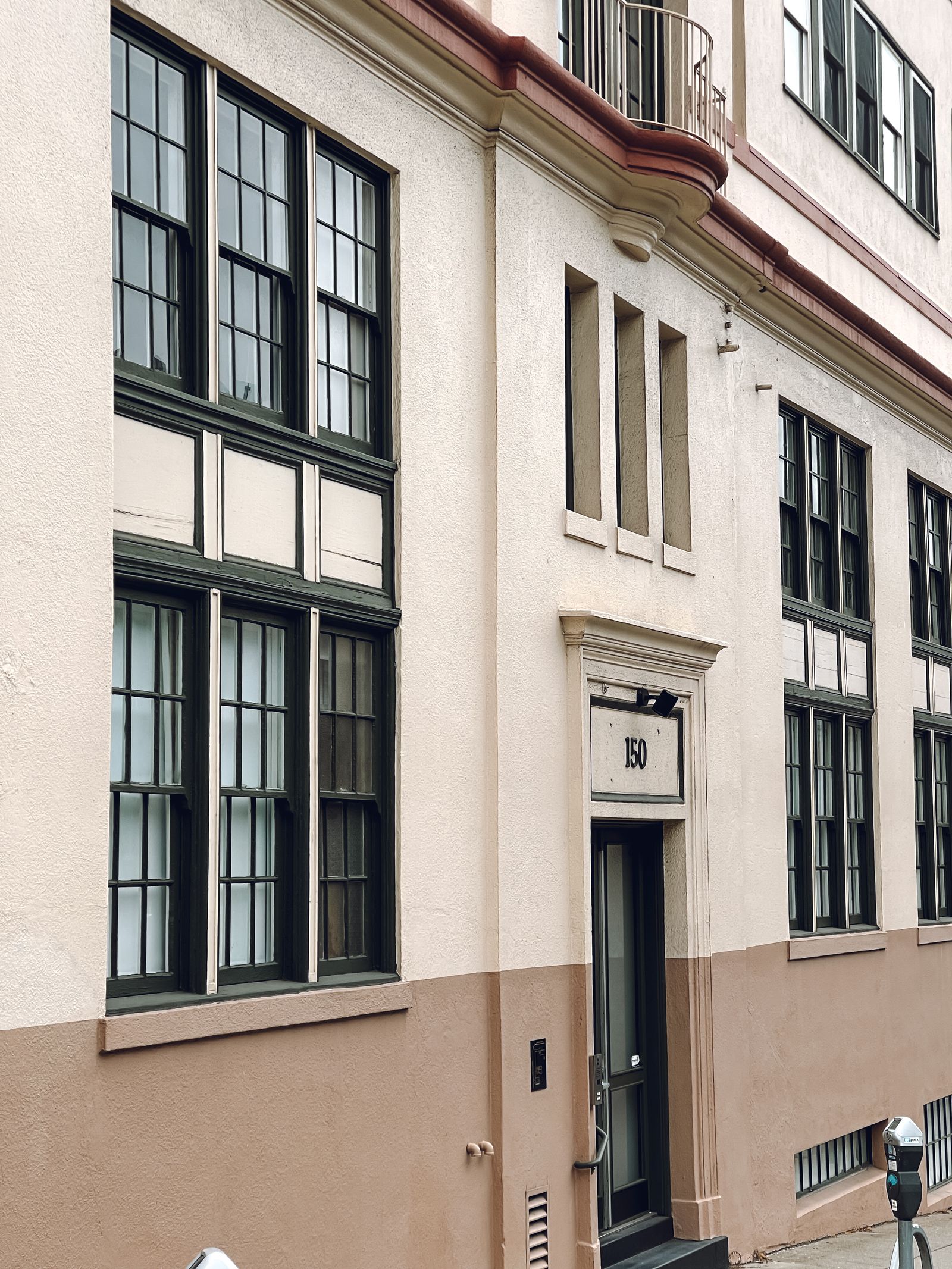
Bowling Green commercial properties often combine brick and mortar, limestone or cast stone, concrete, painted block, EIFS, stucco, metal panels, storefront glass, sealants, awnings, and repaired areas. A downtown building near Fountain Square may place older masonry, restaurants, offices, sidewalks, and neighboring entrances close together. A hotel or office near the WKU-adjacent campus area may add guest drop-offs, student and visitor movement, parking, signs, landscaping, and multiple public doors. A distribution or manufacturing property near I-65 may have broad metal and concrete elevations, truck courts, docks, gates, and equipment that cannot receive uncontrolled water.
Soft washing may fit compatible organic growth, pollen, bird residue, mildew-like staining, and ordinary atmospheric film when the surface, chemistry, dwell time, rinse, and protection plan support it. It does not repair cracked limestone, open mortar, failed sealant, spalled concrete, corroded metal, damaged glazing, failing paint, or an active roof or plumbing problem. A dark mark may be organic, mineral, oxidized, soot-based, or caused by repeat drainage. A representative test area and dry-down review can set realistic expectations before the full building is scheduled.
- Separate brick, mortar, limestone, concrete, glass, metal, EIFS, stucco, and coated areas.
- Distinguish pollen, organic film, minerals, traffic residue, oxidation, bird residue, and water paths.
- Use representative test areas when masonry repairs, coatings, or finish history are uncertain.
- Keep repair, restoration, glass polishing, coating replacement, and leak diagnosis outside routine washing.
Plan around downtown, Scottsville Road, and WKU-adjacent activity
Downtown Bowling Green properties can have narrow sidewalks, restaurants, office tenants, events, deliveries, outdoor seating, and several entrances sharing one frontage. A practical sequence may start with a less active elevation, protect an accessible route, and return each doorway to service before moving on. The property contact should identify event dates, tenant notices, delivery windows, parking restrictions, and the person authorized to pause work. A cleaner facade is useful only when the work zone does not create an unmanaged obstacle for visitors or employees.
Scottsville Road retail properties commonly combine storefront glass, signs, drive aisles, parking, landscaping, monument signs, loading areas, and neighboring tenants. Work may fit before opening, between deliveries, or in phases that preserve the most visible entrance. A hotel, restaurant, or office near Western Kentucky University may have changing guest, student, visitor, event, and service traffic. WKU proximity is an operating context; the scope should address the exact property, its permission process, and its own pedestrian and parking patterns.
Properties along I-65, U.S. 31-W, Louisville Road, and Bowling Green's industrial and logistics areas may experience truck movement, road film, dust, loading activity, security controls, and overhead utilities. A facility may need a gate contact, spotter, shift-aware work window, protected dock doors, and a clear hose route. A quote should describe those assumptions rather than treating every commercial building as an empty wall.
Account for humidity, pollen, storms, and limestone
Bowling Green's humid periods, rain, mature trees, shade, and covered entries can keep some walls damp longer than exposed elevations. Spring pollen can settle on ledges, signs, canopies, windows, and painted panels. Summer heat changes dwell time and drying, while storms can redirect rinse water toward a curb inlet, low landscape area, garage ramp, or neighboring entrance. Limestone and cast-stone details can show mineral deposits, weathering, or runoff marks that need a different approach from organic film. Cleaning chemistry and pressure should be matched to the actual material rather than a single setting for the property.
The work window should consider wind, lightning, precipitation, surface temperature, humidity, drying time, and public movement. Strong wind affects overspray, barriers, plants, vehicles, and any aerial operation. A hot sun-facing wall may dry faster than a shaded north wall. If a storm dilutes an application or water begins traveling in an unexpected direction, the crew should pause, secure the work zone, and reassess. A recurring streak should prompt inspection of gutters, downspouts, parapets, roof edges, irrigation, and joints instead of an automatic request for more pressure.
- Review forecast, wind, lightning, heat, surface moisture, drying time, and pedestrian conditions.
- Check limestone, mortar, sealants, roof edges, gutters, and downspouts for sensitivity or repeat wetting.
- Protect plants, air intakes, doors, glazing, vehicles, and public routes from solution and rinse water.
- Set pause, reschedule, and wet-surface handback triggers before staging equipment.
Choose access that fits the elevation and property rules
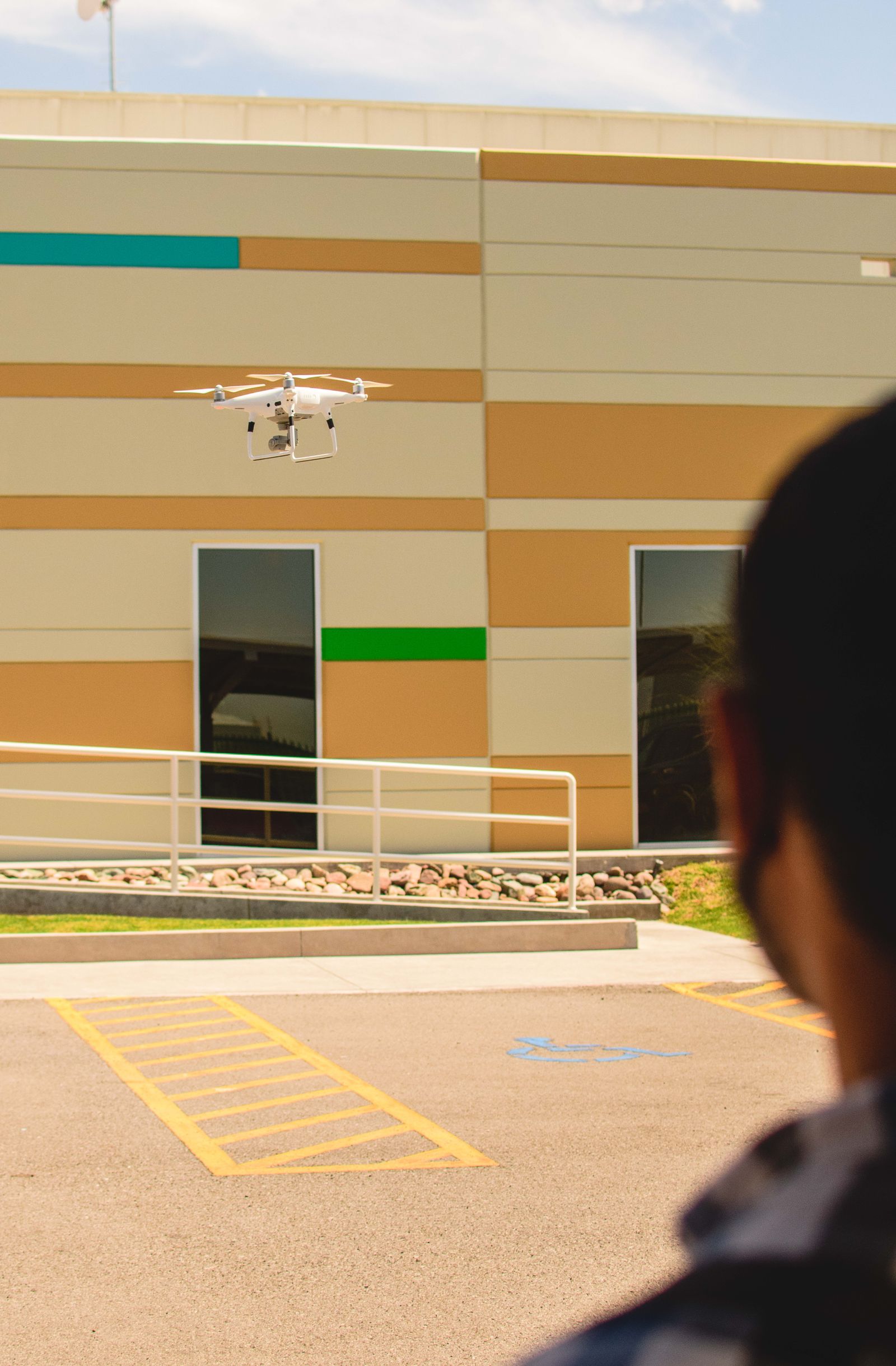
Drone assistance may be considered for suitable broad upper elevations when wind, stand-off distance, visual control, launch and recovery space, public separation, water access, and drainage support it. It can help with selected parapets, ledges, sign bands, or tall walls. It does not contact-clean glass, detail recessed trim, remove every bonded mineral deposit, inspect concealed damage, or repair joints and coatings. The proposal should say where aerial support is expected and what remains hand, pole, lift, roof-access, or ground work.
Bowling Green sites can include utility lines, mature trees, rooftop equipment, signs, active roads, parking lots, event activity, and airport-related considerations. Commercial drone operations remain subject to applicable Federal Aviation Administration requirements; property permission does not replace aviation compliance. If wind, obstacles, airspace, people, vehicle movement, or runoff cannot be controlled, a lift, water-fed pole, hand detail, ground setup, hybrid plan, or rescheduled visit may be better. Height alone should not choose the method.
Protect people, equipment, and runoff paths
Before applying solution or rinse water, map entrances, accessible routes, sidewalks, air intakes, cameras, electrical equipment, landscaping, vehicles, loading areas, low points, and storm inlets. A downtown storefront may need a spotter. A Scottsville Road retailer may need customer separation and a tenant sequence. A WKU-adjacent hotel or office may need guest and event routes protected. An industrial building may need security coordination, delivery controls, and a work window between truck movements.
Water management depends on the product, removed soil, rinse volume, slope, drain type, landscaping, and site requirements. A visible storm drain is not automatic permission for treated water or sediment to enter it. Depending on the scope, controls may include diversion, collection, recovery, reduced rinse volume, filtration, plant protection, disposal, or coordination with the responsible authority. The team should observe the first rinse, verify that flow matches the plan, and stop if water moves toward an unexpected property or public route.
Closeout should return entrances and access routes to service, remove controls, and document completed elevations, remaining deposits, pre-existing damage, and conditions that need a mason, roofer, painter, glazier, metal specialist, or building-envelope professional. That record helps the property team understand what cleaning addressed and what belongs to another trade.
- Locate drains, low points, hose crossings, landscaping, doors, air intakes, vehicles, and neighboring routes.
- Confirm water access, barriers, spotters, security, accessible paths, deliveries, and emergency access.
- State runoff assumptions and the stop condition for unexpected flow, wind, traffic, or standing water.
- Record completed zones, remaining deposits, limitations, and repair needs at closeout.
Request a Bowling Green quote built around the property
Send the address, building use, photos of the entry and representative elevations, approximate height, facade materials, problem areas, desired timing, operating hours, water access, nearby drains, and known leaks, loose materials, coating failures, or previous cleaning damage. Mention whether the priority is a downtown presentation, a Scottsville Road retail entrance, a hotel or office near WKU, an industrial elevation, a tenant turnover, an event, or recurring maintenance.
Call +1 239-351-2897 or email contact@dronebuildingcleaners.com to use the existing quote or contact CTA. Drone Building Cleaners can review whether soft washing, controlled pressure, aerial assistance, contact detail, or a hybrid method fits the building. A useful proposal identifies included elevations, access, protection, weather limits, runoff assumptions, expected improvement, exclusions, and any conditions that should be handled by another trade.